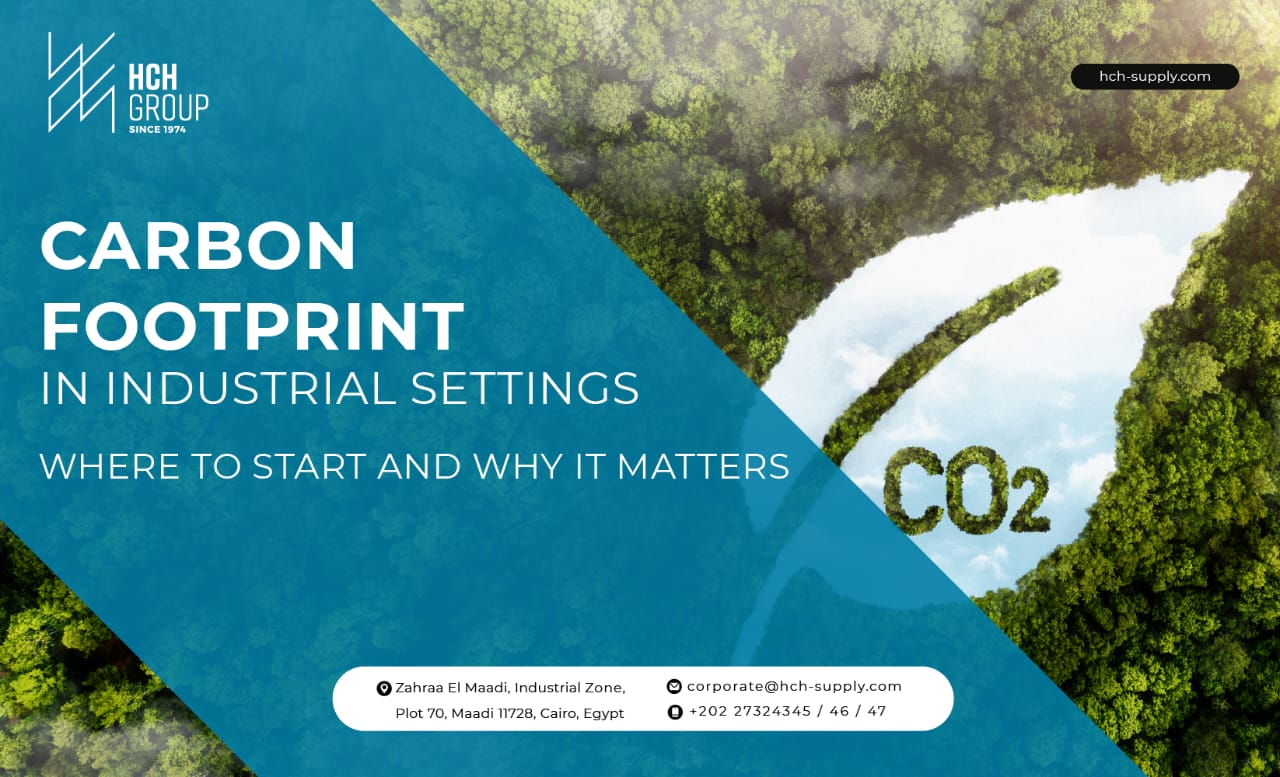
Every industry today is under more pressure than ever to rethink how it impacts the environment. For many companies, carbon emissions are no longer an abstract environmental concern—they’re a business issue. From suppliers and partners to governments and customers, everyone is asking the same question: What are you doing to shrink your carbon footprint?
The idea isn’t to “go green” just for the sake of it. Reducing emissions often means improving fuel efficiency, cutting waste, and making better use of energy—all of which also lower operational costs. So, even if your business isn’t chasing sustainability certifications, it’s worth understanding where to begin.
In today’s blog, we explore what a carbon footprint really is in industrial settings, why it matters for your business, and how to start making meaningful progress without turning your operations upside down.
What Carbon Footprint Really Means for Industrial Companies
You’ve probably heard the phrase “carbon footprint” everywhere lately—but what does it mean in an industrial context?
Your carbon footprint is the total amount of greenhouse gases (mainly carbon dioxide and methane) your company produces directly or indirectly. These emissions come from everyday activities like
- Running machines or heavy equipment
- Using diesel generators or gas turbines
- Transporting goods
- Heating and cooling facilities
Even from the material you purchase, if it was manufactured using high-energy processes
So yes, it’s more than just gas emissions from smokestacks. It’s a full picture of your operational impact.
For example, a cement manufacturer might generate emissions not only through its fuel consumption but also from the chemical reaction involved in producing clinker. Meanwhile, a machinery supplier might produce fewer direct emissions but contribute through transportation and material sourcing.
Why Industrial Companies Should Care About Their Carbon Footprint
Let’s be honest—environmental policies can feel overwhelming. But there are practical reasons why industrial businesses should pay attention.
Cost Savings Over Time:
Cutting energy waste and improving output efficiency almost always leads to lower bills. If a company reduces its fuel use by just 10%, imagine the savings over five years.
Stronger Market Position:
More and more clients prefer to work with suppliers who are making an effort to be more responsible. Even tenders and contracts sometimes require sustainability reports now.
Regulatory Pressure:
Governments are already introducing stricter rules about emissions. Acting early helps you avoid unexpected fines or forced upgrades down the line.
Better Public Reputation:
Whether you’re business-to-business or serve consumers, customers respect companies that are actively reducing their impact.
Where to Start: A Practical Roadmap to Lowering Your Carbon Footprint
You don’t need big spending or dramatic changes to begin improving your emissions profile. This is a simple, practical roadmap you can follow:
Step 1: Measure What You Can
Start with what’s easy to track: fuel consumption, electricity usage, and volume of waste. Even basic benchmarks make it easier to see where emissions are highest.
Most companies discover that outdated machines or inefficient power systems are their biggest footprint contributors.
Step 2: Prioritize High-Impact Areas
If 40% of your fuel goes into powering one line of equipment, focus there. Maybe switching diesel generators to gas can cut emissions without slowing down production.
Step 3: Consider Cleaner Alternatives
Using natural gas generators instead of diesel or installing purification systems to treat emissions before they escape. These small upgrades often lead to significant carbon reductions.
Step 4: Work with Suppliers Who Help You Reduce Emissions
Sometimes, your footprint reflects their choices too. Partnering with globally trusted brands that produce energy-efficient parts or components is an easy win.
Real-World Industrial Strategies That Lower Carbon Emissions Without Disrupting Operations
Reducing carbon emissions in industrial settings doesn’t always mean major overhauls or sacrificing productivity. In fact, many companies are already applying smart, measured changes that cut emissions and keep their operations running smoothly. It’s being done by:
1. Switching to High-Efficiency Equipment
One practical strategy is upgrading machinery and systems to models that consume less fuel or energy. This includes replacing older boilers, motors, and compressors with high-efficiency alternatives. Even if the initial investment seems steep, the long-term energy savings often justify the cost.
For example, food processing plants that installed energy-efficient steam boilers reported up to 20% lower energy use within the first year.
2. Recovering Waste Heat
Many industrial processes generate heat that goes unused. By installing waste heat recovery units, factories can capture this heat and repurpose it for other tasks, such as preheating water or powering turbines.
This approach not only reduces emissions but also cuts fuel or electricity costs—a double advantage for facilities wanting to be greener without slowing down.
3. Adopting Hybrid Energy Systems
Instead of relying solely on fossil fuels, some companies are moving toward combining traditional energy sources with renewables. For example, a plant might use solar panels during the day and switch to diesel or gas generators as needed.
This method helps reduce reliance on high-emission fuels during peak hours while maintaining energy security around the clock.
4. Using Smart Monitoring Systems
Digital tools like real-time energy monitoring and emissions tracking offer insights that help managers spot inefficiencies early. With this data, they can make decisions that reduce energy waste—such as adjusting machinery timing, fixing air leaks, or improving insulation.
These small changes add up to significant gains over time without interrupting workflows.
5. Prioritizing Low-Carbon Fuels
Where possible, industries are gradually shifting to cleaner-burning fuels such as natural gas or low-sulfur diesel. Even without switching to fully renewable systems, this change alone can cut carbon emissions substantially.
The most successful strategies are the ones that start small and grow over time. By addressing one system at a time—like lighting, HVAC, or fuel usage—factories can lower their emissions steadily and responsibly. No shutdowns, no drastic changes—just smarter decision-making backed by real data and reliable engineering.
Every improvement, whether it’s updating an old motor or installing a gas-powered generator, moves your company toward a more efficient, cost-effective, and responsible future. Once you start tracking your footprint and making conscious decisions, you’ll quickly see easy opportunities to do better.
Start with a small step—learn more about equipment that supports cleaner and more efficient production!