Skip to content
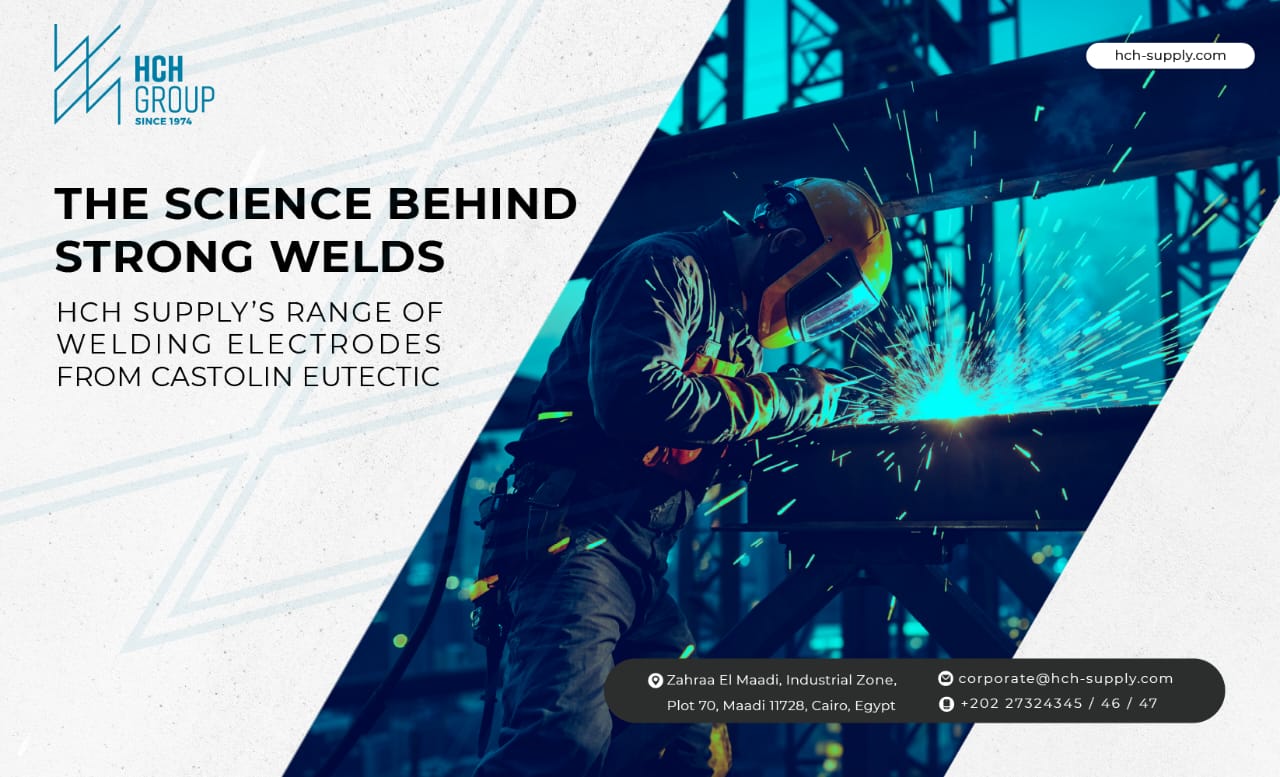
When welders talk about good welds, they’re usually referring to joints that stay strong under pressure, resist cracking, and last for years. But what many don’t realize is that a big part of that strength comes from one simple choice: the welding electrodes.
Different industrial jobs need different electrode types, and choosing the wrong one can mean weak joints, wasted materials, and extra repair time.
This blog breaks down the basics in a simple, practical way so anyone can understand how electrode selection affects weld quality.
Why Welding Electrodes Choice Can Make or Break Your Weld
Before comparing electrode types, it helps to know why they matter. Each electrode has its own personality. The coating, core wire, and electrical behavior all have a direct effect on
- How deep the weld penetrates
- Whether the weld strength matches the base metal
- How stable the arc feels
- How easily defects (like porosity or spatter) appear
- How can you weld in different positions comfortably
Hence, choosing the right welding electrodes is the first step toward welds that stay strong and look clean.
Different Types of Welding Electrodes and Where They Work Best
-
E6010: When You Need Serious Penetration
Ideal for: pipelines, structural repairs, maintenance work
These rods dig deep and push through rust, dirt, and older steel. They’re frequently chosen for demanding field jobs because they stay stable even in rough conditions.
-
E6011: The Go-To Rod for Tough or Outdoor Jobs
Ideal for: construction work, farm repairs, pipelines, maintenance tasks
E6011 is the rod people rely on when conditions aren’t perfect. It’s known for its strong, deep-penetrating arc, making it great for welding on rusty, painted, oily, or otherwise unclean metal. The kind of situations that usually cause trouble for other electrodes.
-
E6013: A Friendlier Option for Everyday Projects
Ideal for: sheet metal, automotive work, light fabrication
They produce a soft, smooth arc that’s easier to control. If the project needs a cleaner bead with minimal spatter, E6013 usually does the job well.
-
E7018: Reliable Strength for Heavy-Duty Welding
Ideal for: construction, pressure vessels, machinery
These low-hydrogen electrodes are built for strength. They handle load, vibration, and pressure. That’s why industries with strict safety standards rely on them.
-
Stainless Steel Electrodes: A Must for Corrosion-Prone Settings
Ideal for: food factories, chemical plants, water treatment
When the environment includes moisture or chemicals, stainless steel electrodes keep the weld from corroding or weakening over time.
-
Hardfacing Electrodes: When Durability Is the Goal
Ideal for: crushers, mining tools, agricultural equipment
Instead of making a weld look pretty, these electrodes protect surfaces that face constant friction, impact, or abrasion.
How to Choose the Right Welding Electrodes
Even with dozens of welding electrodes on the market, choosing the right one becomes easier when you answer four questions:
-
What metal are you working with?
Steel, stainless steel, cast iron, and alloys each need a matching electrode family.
-
What welding position do you need?
Some welding electrodes work in all positions (like E6011), while others prefer flat or horizontal work.
-
How much strength does the joint require?
For jobs that handle weight or vibration, low-hydrogen rods like E7018 offer more dependable results.
-
What’s the environment like?
Moisture, dust, and wind can all cause arc instability.
Cellulosic rods, including E6010, perform better on outdoor or exposed worksites.
Common Welding Electrodes Mistakes
Even experienced welders run into problems when these basics are overlooked:
- Using a rod that doesn’t match the metal
- Storing electrodes in humid environments
- Selecting the wrong amperage range
- Welding thin metal with a rod that’s too large
- Ignoring the manufacturer’s instructions
These small mistakes may not seem major, but they can weaken welds even when the technique is good.
HCH Supply’s Range of Welding Electrodes from Castolin Eutectic
HCH provides a reliable range of welding electrodes from Castolin Eutectic, designed to support everything from quick on-site repairs to long-term surface protection.
This range fits different industrial needs, especially for teams looking for dependable solutions without overcomplicated processes.
-
MMA Welding Electrodes
MMA electrodes are a popular choice for industries that need practical, no-nonsense repair solutions. They work well even in tight or awkward positions, which makes them ideal for on-site maintenance. They’re especially helpful for:
- Low-heat repairs that protect surrounding materials
- Anti-wear coatings that help machine parts last longer
- Welding contaminated cast iron or mixed/unknown steels
For companies focused on reducing downtime and maintenance costs, MMA electrodes offer a dependable and straightforward option.
-
Open Arc Welding Electrodes
Open arc welding is all about speed and efficiency. Since it doesn’t require shielding gas, it’s perfect for outdoor or remote locations.
Its key benefits include:
- High deposition rates for quicker repairs.
- Longer welding duty cycles
- Alloy properties designed to extend service life
It’s a practical choice for industries that want fast, reliable welds without needing additional equipment on-site.
-
CastoDur Diamond Plates (CDP®) – Welded Wearplate
CDP plates are used when large surfaces need protection from abrasion or impact. They’re easy to install, lightweight compared to alternatives, and built using advanced material science.
They help industries:
- Reduce maintenance frequency
- Extend machine and surface life cycles
- Protect wide areas with minimal effort
-
CastoTubes – Welded Wearplate
CastoTubes provide strong wear resistance with a perfectly round cross-section, making them suitable for applications involving high abrasion.
Their advantages include:
- High cost efficiency
- No weak linear weld joints
- Easy joining through welding or mechanical fixing
- Excellent performance thanks to high-quality metal powder
-
Arc Spray Wires
For components that suffer continuous wear, arc spray wires offer a practical surface protection solution. They’re known for:
- Extending the life of critical machine parts
- Faster deposition rates compared to alternative methods
- A safer process that uses no flammable gases
This makes them a cost-effective option for teams aiming to reduce frequent rebuilds.
-
Powder Spray Fusing
Powder spray fusing creates dense, strong, and smooth coatings that require minimal finishing. Industries rely on it because it offers:
- High bond strength and strong shock resistance
- Coatings free of pores and impurities
- No dilution of the base material
- Thicker and more durable protective layers
-
Polymer Coatings
Polymer coatings balance long-term protection with easy application. They’re suitable for quick repairs and surface rebuilding without complex tools.
Key advantages include
- Strong protection for high-value equipment
- Simple application methods (brush, spray, trowel)
- Zero VOC, solvent-free formulas
- Environmentally conscious performance
These coatings are commonly used to repair, rebuild, and protect machinery exposed to corrosion, abrasion, or chemical exposure.
If you want welding electrodes you can rely on day after day, HCH Supply offers a solid selection from Castolin Eutectic that fits a wide range of industrial needs.
Explore our full range and find the electrodes that match your job!